Camera Tracking Systems
Real-time camera tracking is the backbone of virtual production. We install and calibrate systems that keep your physical camera perfectly synchronized with your virtual environment.
Without accurate tracking, the virtual world doesn't move correctly with the camera — breaking the illusion entirely. Tracking tells the render engine exactly where the camera is in 3D space, its rotation, and lens characteristics so the virtual environment responds with correct perspective and parallax in real time.
Request a Quote
Why Camera Tracking Matters
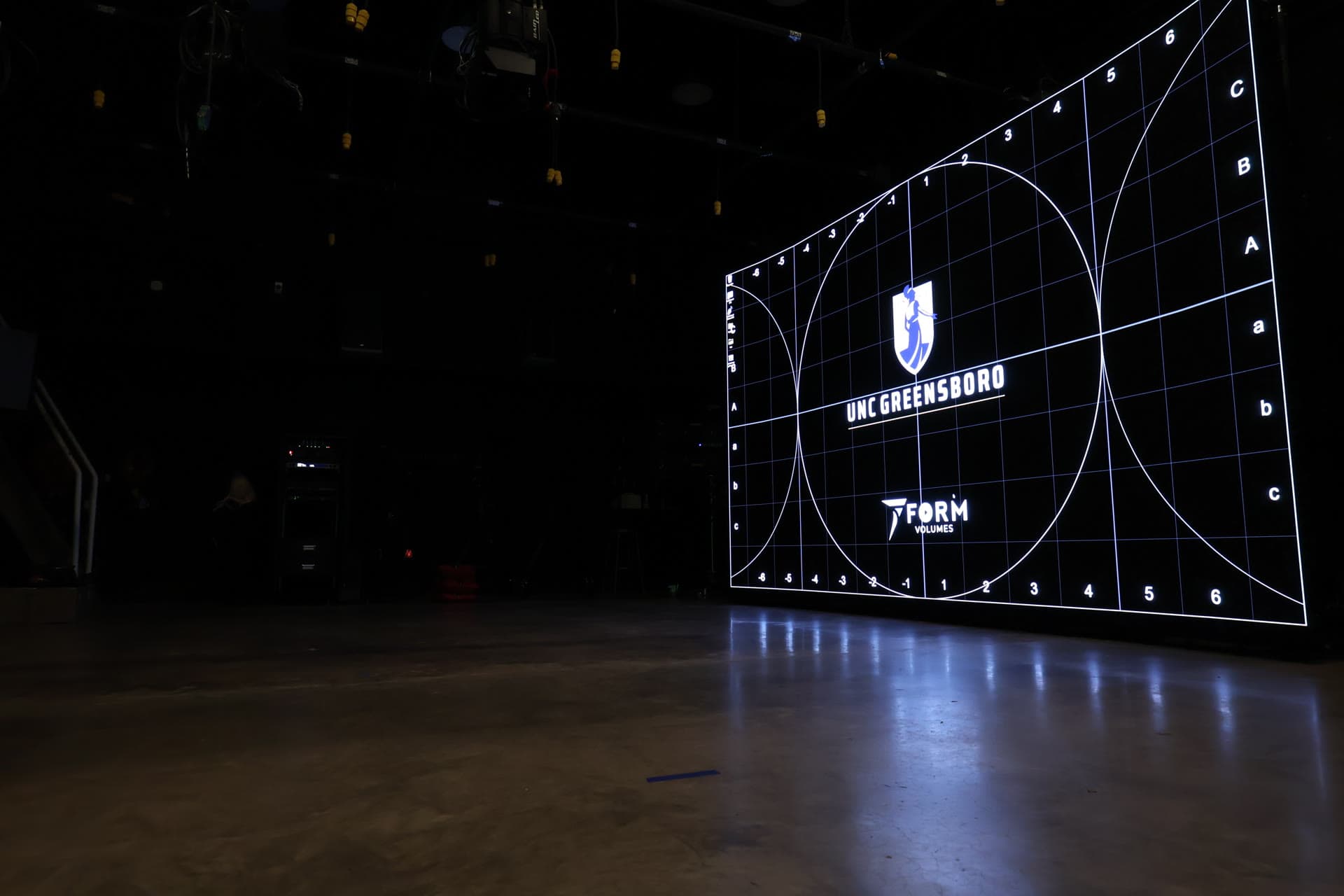
Camera tracking is what makes the LED wall look like a real environment instead of a flat screen. It's the difference between a convincing shot and one that looks obviously fake.
Correct Parallax
When the camera moves, objects in the virtual world shift naturally — closer objects move faster, distant objects move slower. This depth cue is what sells the illusion that the environment is real and three-dimensional.
Accurate Frustum Rendering
The 'frustum' is the portion of the LED wall visible through the camera lens. Tracking ensures the render engine draws the correct perspective for exactly what the camera sees, making the background look like it extends infinitely beyond the wall.
Natural Reflections & Lighting
With tracked camera data, the virtual environment's lighting and reflections react correctly to camera movement. This means authentic reflections on cars, glass, water, and other reflective surfaces — captured in-camera, not added in post.
Lens-Aware Rendering
Advanced tracking systems capture not just position and rotation, but lens data — focal length, focus distance, and iris. The render engine uses this to match depth of field, field of view, and distortion to the physical lens.
Multi-Camera Support
Track multiple cameras simultaneously for multi-angle shoots, Steadicam operations, or live broadcast. Each camera gets its own frustum rendered independently on the LED wall.
Creative Freedom
With reliable tracking, DPs can shoot handheld, use dollies, cranes, and Steadicams freely. The virtual world keeps up with any camera movement, giving cinematographers the freedom they're used to on location.
Choosing the Right Tracking System
There's no one-size-fits-all tracking solution. The right choice depends on your stage size, camera workflow, budget, and production requirements.
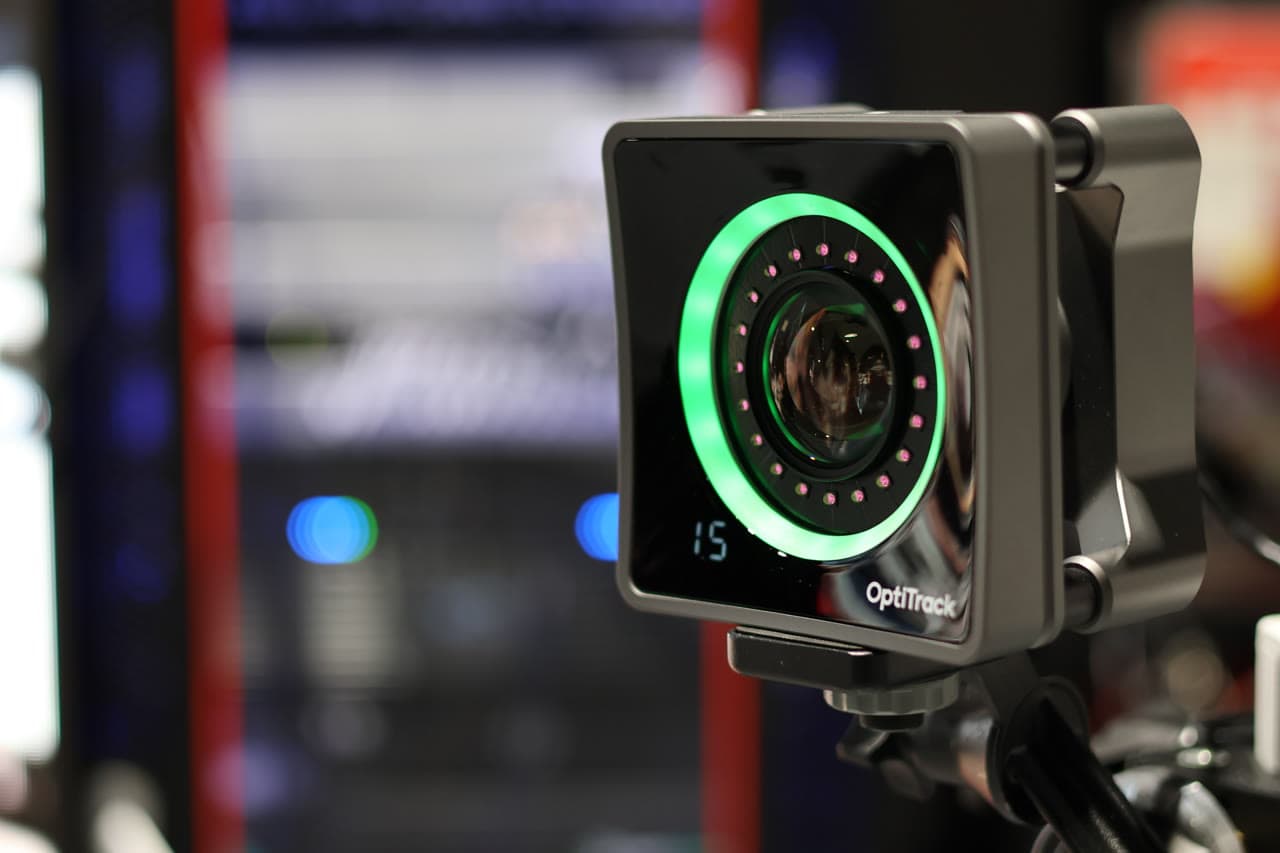
Optical Tracking (OptiTrack, Mo-Sys, Stype)
Infrared cameras mounted around the stage track markers on the camera. Offers the highest accuracy (sub-millimeter) and supports tracking multiple objects simultaneously. Best for permanent stages with dedicated infrastructure and productions demanding the highest precision.
Inside-Out Tracking (Vive Mars)
Sensors on the camera itself detect reference points (lighthouses) in the room. Simpler to set up, more portable, and requires less infrastructure. Great for smaller volumes, mobile VP setups, and organizations that need to deploy tracking quickly across different spaces.
Lens Tracking (Zeiss CineCraft)
Encoders on the lens capture focal length, focus distance, and iris in real time. Used alongside positional tracking to give the render engine complete camera and lens data for photorealistic rendering with correct depth of field and field of view.
Hybrid Approaches
Many stages combine systems — for example, OptiTrack for high-precision positional tracking with Zeiss CineCraft for lens data. We design hybrid setups that leverage the strengths of each technology for the best overall result.
Tracking Systems We Integrate
We match the right tracking technology to your stage layout, camera workflow, and production requirements.
OptiTrack
Optical TrackingHigh-precision optical tracking using infrared cameras and markers. Sub-millimeter accuracy with ultra-low latency, ideal for LED volume frustum tracking and multi-camera setups.
Vive Mars
Inside-Out TrackingHTC's lighthouse-based camera tracking system. Compact, portable, and reliable — a cost-effective solution for smaller volumes and mobile VP setups.
Zeiss CineCraft
Lens & Camera TrackingCinema-grade lens tracking from Zeiss. Provides precise focus, iris, and zoom metadata for real-time virtual production and post-production workflows.
Mo-Sys
Optical TrackingThe StarTracker system uses retro-reflective ceiling stickers for robust, drift-free optical tracking. Proven in hundreds of broadcast and VP studios worldwide.
Stype
Optical TrackingHigh-end camera tracking solutions including the RedSpy system. Designed for precision-critical virtual production and broadcast applications.
How We Deliver Tracking
Stage Assessment
We evaluate your LED volume dimensions, camera workflow, and lens requirements to recommend the ideal tracking system.
Installation & Calibration
Full hardware installation, sensor placement, and precision calibration. We integrate tracking output with your media server and render pipeline.
Training & Support
Hands-on operator training, documentation, and ongoing support to keep your tracking running at peak performance.
Need Camera Tracking for Your Stage?
We'll help you choose between optical, inside-out, and hybrid approaches based on your production needs.
Get Started